En la Revista Argentina de Ciencias del Comportamiento están buscando 3 (tres) editores/as técnic@s.
👩💻 📝 🧑💻

Podés conocer más lo que hacen/publican en la RACC acá ➡️ https://buff.ly/3vcx5hT

En la Revista Argentina de Ciencias del Comportamiento están buscando 3 (tres) editores/as técnic@s.
👩💻 📝 🧑💻
Podés conocer más lo que hacen/publican en la RACC acá ➡️ https://buff.ly/3vcx5hT
El Dr. Michael Beran, editor entrante del Journal of Comparative Psychology, tiene como objetivo promover sólidos artículos teóricos y experimentales que consideren todos los aspectos de la psicología desde una perspectiva comparada.
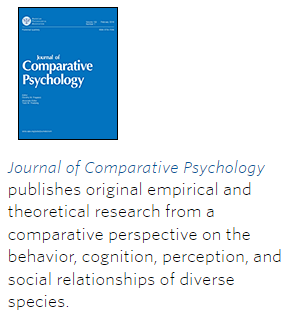
+info en este enlace.
Call for applications for the second annual UCLA SYNCS (Seminars by Young Neuroscience Community Scholars) Seminar Series!
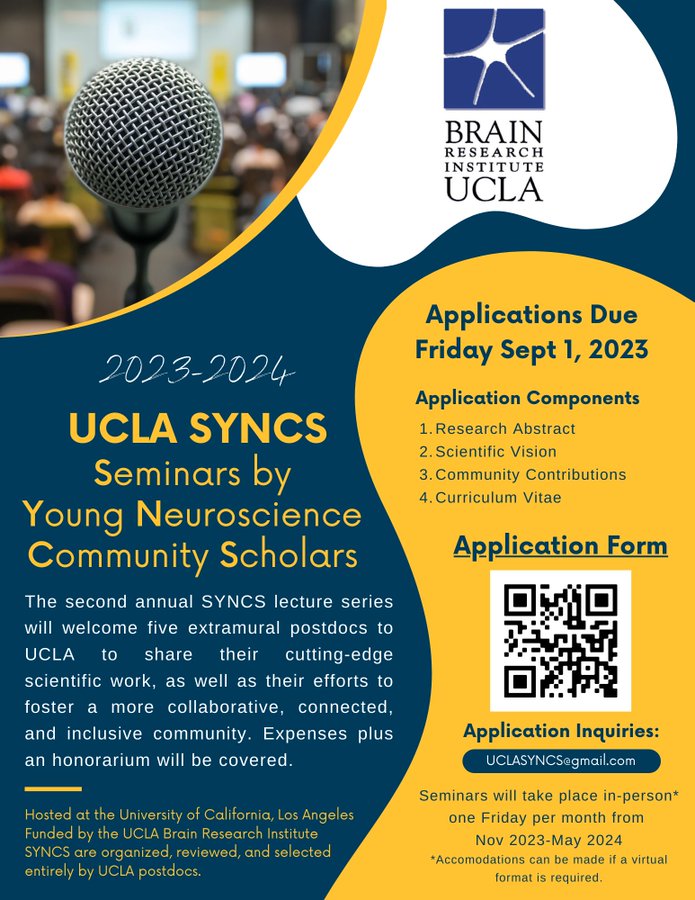
The goal of SYNCS is to showcase the work of extramural postdoctoral fellows to the UCLA Neuroscience community at a full-length seminar series. Speakers will receive valuable feedback and exposure as they head toward the job market while the UCLA community learns about the cutting-edge work performed by a talented and diverse group of rising stars. The seminar series is coordinated and hosted entirely by UCLA postdocs, fostering cross-institution networks for upcoming scientific leaders.
+info ➡️ https://tinyurl.com/SYNCS2023
En nombre del GTPEC nos complace invitarles a participar en una importante iniciativa destinada realizar un catastro de los miembros que componen el GTPEC y RedLACC. Les pedimos puedan responder a la brevedad el siguiente formulario donde se recabará información relevante sobre ustedes, incluyendo información que podría ser utilizada para compartir en las redes sociales del GT (con su aprobación previa), actividades, entre otros fines.
https://forms.gle/1fgh7uedcBeNeZbU8
¡Agradecemos su colaboración!
ARTÍCULO RECOMENDADO
*Generalizations: The Grail and the Gremlins*
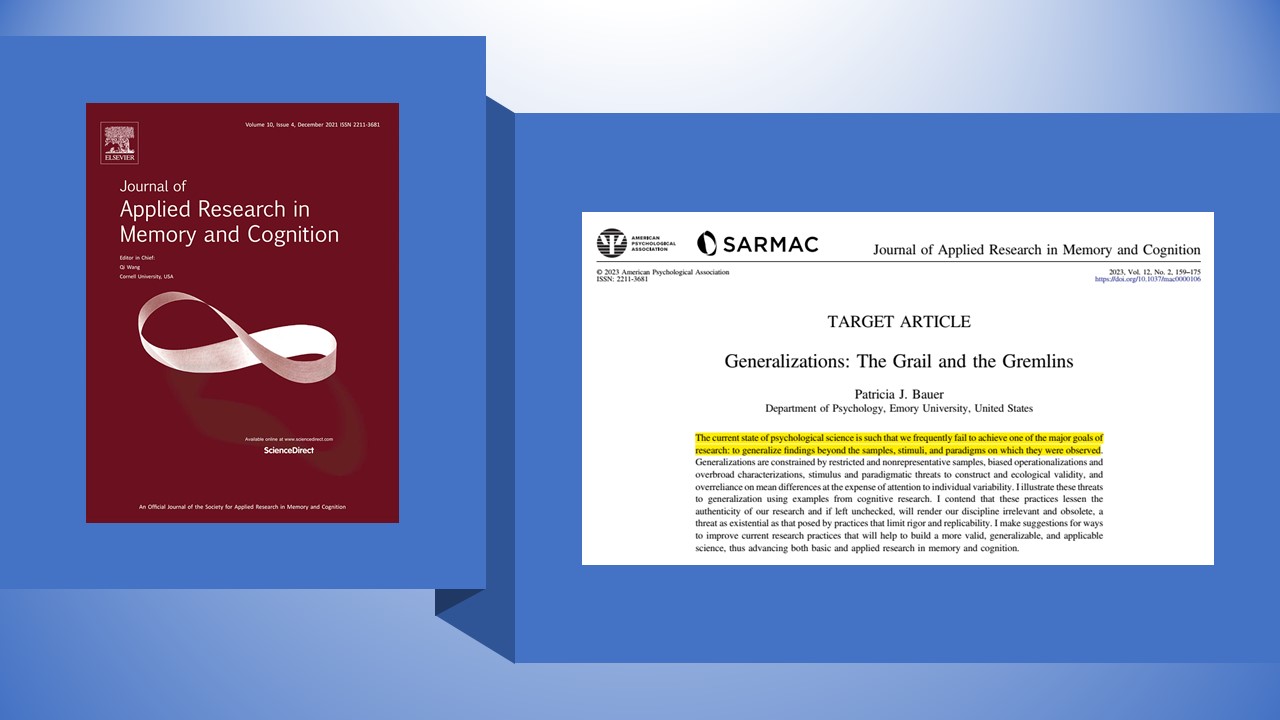
Using examples from cognitive research, this article examined threats to generalization, providing suggestions for ways to improve current research practices that will help to build a more valid, generalizable, and applicable science.
Lo leés/descargás acá ➡️ https://buff.ly/3NWCt0W
Estimad@s.
Les compartimos información sobre la convocatoria realizada por la revista DEVELOPMENTAL PSYCHOLOGY para su SPECIAL ISSUE «Majority Country Methods for Developmental Psychology: Evidence and insights from diverse global settings”.
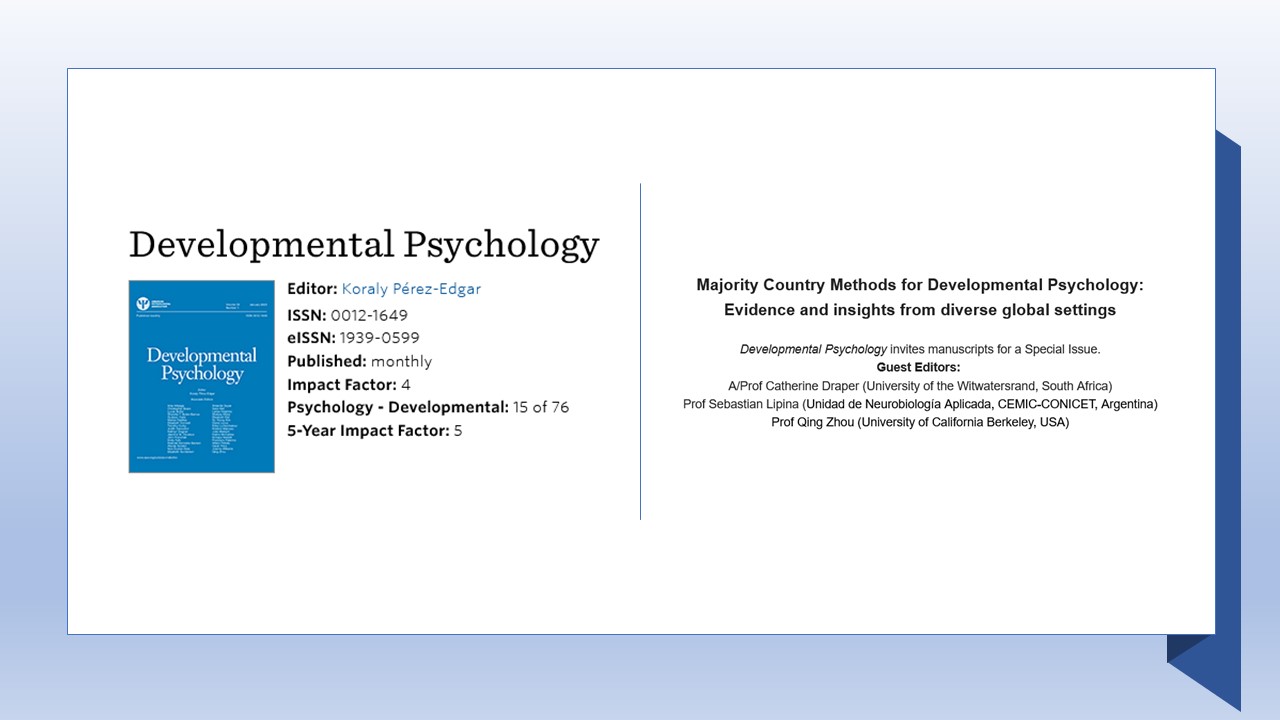
Publication bias in child development has repeatedly been highlighted, with early criticisms focusing on the narrow focus of psychology on American (Arnett, 2008) and ‘WEIRD’ (Western, Educated, Industrial, Rich, and Democratic) populations, an acronym introduced to draw attention to the lack of representation in our understanding of human psychology and behavior (Henrich et al., 2010b, 2010a). Increasingly, the terms ‘Majority’ and ‘Minority World’ (Alam, 2019) are used instead of terms such as WEIRD, Global South, developing or low- and middle-income countries in order to not reinforce false hierarchies and notions of superiority (Khan et al., 2022). Rather, Majority World refers collectively to the countries that make up the majority of the world’s population, and serves as a reminder that Western Countries constitute the minority (Khan et al., 2022).
Similar arguments regarding the lack of diversity in child development research have been made more recently (Moriguchi, 2022; Nielsen et al., 2017), including for specific fields such as cognitive development research (Alves et al., 2022; Miller‐Cotto et al., 2022; Rowley & Camacho, 2015), caregiving (Benito‐Gomez et al., 2020; Raval & Walker, 2019), physical punishment and child development (Gershoff & Grogan-Kaylor, 2016; Heilmann et al., 2021), and early childhood development interventions (Draper et al., 2023; Ferreira et al., 2020). Furthermore, reviews published in 2023 have noted biases in infant development (Singh et al., 2023), and linguistic (Bylund et al., 2023) research. Beyond the bias in participants and authors, these skewed representations extend to editorial boards in the developmental and broader psychological sciences (Moriguchi, 2022; Thalmayer et al., 2021).
In a recent commentary on publication bias (Draper et al., 2022), the importance of contextualizing research was emphasized, particularly for methodological research in child development. While there are encouraging steps being taken to democratize measurement, methodological challenges of conducting research in Majority World countries include the reliance on English as the language of assessment (or at least the original language of tool development), difficulties with translation and validation, limitations of contextual validity, and the assumption that tools developed for specific settings do not have broader applicability. Overall, the methodological bar is higher for the publication of empirical research in Majority World countries, with different standards being applied to small scale, localized studies in Minority World countries. This bias “perpetuates the centering of Minority country notions of what is ‘normal’ in child development” (Draper et al., 2022).
For this special issue on ‘Majority Country Methods for Developmental Psychology’, we encourage the following types of submissions on topics relating to developmental psychology research in Majority World countries:
To align with Developmental Psychology’s commitment to diversity, equity, and inclusion of the journal, papers should have meaningful local authorship representation. That is, papers submitted by researchers from Minority World countries should include authors from the Majority World settings where the research was conducted, as first, second or senior author.
Furthermore, for empirical papers, we encourage submissions comprising samples that vary in terms of parent gender; race/ethnicity; socioeconomic background; country of origin; child/familial risk arising from health or social vulnerabilities; and other factors.
In addition, we encourage submissions from authors who are historically underrepresented in psychology and related disciplines. Contributors are also highly encouraged to review and reference extant literature from diverse researchers and institutions.
Authors who plan to submit a manuscript for the special issue are asked to submit a letter of intent by October 1, 2023, that includes:
The guest editors will review letters of intent for fit with the section and work to provide the broadest representation of high-quality papers. Letters of intent should be sent as Word documents to Catherine Draper (catherine.draper@wits.ac.za). In the accompanying email, please include in the subject line ‘Special Issue on Majority Country Methods’.
Following a review of received letters, potential contributors will be contacted by December 4, 2023, to submit full manuscripts. Invited manuscripts will be due by April 8, 2024, via Developmental Psychology’s submission site (https://www.editorialmanager.com/dvl/) and will be subjected to full peer review.
Questions concerning the substance of submissions should be directed to Catherine Draper (catherine.draper@wits.ac.za), Sebastian Lipina (slipina@cemic.edu.ar), and Qing Zhou (qingzhou@berkeley.edu).
Estimad@s.
Les compartimos información sobre la convocatoria realizada por la revista NEUROTOXICOLOGY AND TERATOLOGY para su SPECIAL ISSUE «EFFECTS OF STRESS EXPOSURE DURING DEVELOPMENT ON NEUROBEHAVIORAL AND NEUROENDOCRINE FUNCTION”.
Stress, which can be defined as an actual or perceived threat to homeostasis, is a ubiquitous factor in modern societies. Stress exposure can adversely impact subsequent neurobehavioral and neuroendocrine functioning, especially when exposure occurs when the brain is developing (i.e., from the fetal period through adolescence). Such negative effects may result from stress alone as the primary developmental insult or from interactions of stress with other kinds of insults such as drugs or environmental toxicants. Importantly, the mechanisms underlying stress-mediated developmental perturbations are not yet fully understood. For example, increased glucocorticoid release is widely thought to mediate at least some of the adverse effects of stressful experiences, especially when the stress is chronic. However, stress gives rise to numerous other responses at the neurophysiological, cardiovascular, endocrine, immune, and epigenetic levels, and in many cases, the role of these responses has been understudied.
Although we usually think about those stressors that are unique to a particular individual, recent events remind us that some stressors such as natural disasters, wars, or pandemics can induce both physical and psychological stress that can impact millions of people around the world, including infants, children, adolescents, and pregnant women. Given the timeliness of this topic, Neurotoxicology and Teratology is organizing a Special Issue on the theme of “Effects of Stress Exposure during Development on Neurobehavioral and Neuroendocrine Function.” This Special Issue, which will be co-edited by Drs. Jerrold Meyer, Gregg Stanwood, and Sonya Sobrian, is aimed at advancing our understanding of how stressful events perturb developmental trajectories, including characterization of such perturbations, as well as exploratory studies into their underlying mechanisms.
Submissions may include:
The following are examples of relevant topics for this Special Issue:
All submissions to this Special Issue will be fully peer-reviewed, and because Neurotoxicology and Teratology is abstracted and indexed in BIOSIS, Current Contents/Life Sciences, EMBASE, EMBiology, ETOH, Elsevier BIOBASE, MEDLINE®, Science Citation Index, and Scopus, its contents will be available through typical search engines of the medical literature (e.g., PubMed). The Special Issue will also be circulated to all subscribers of the journal and be accessible via ScienceDirect.
This Special Issue will be in the form of a Virtual Special Issue (VSI), which is an approach to publishing special Issues that allows us to address one of the most common complaints by authors – slow publication speed. With a VSI, accepted manuscripts are published in the first available regular issue, and corresponding authors will receive 50 days free access to the final published version of their manuscript. Thus, authors do not need to wait until all the Special Issue manuscripts are accepted to have their manuscript published. Simultaneously, articles will appear in a VSI section on the Neurotoxicology and Teratology website and on ScienceDirect.
To be considered for inclusion in this Special Issue, please submit your manuscript to Neurotoxicology and Teratology by January 31, 2024, via the electronic submission system (https://www.editorialmanager.com/ntt/default.aspx). Manuscripts should be assigned to the category “VSI: Dev Stress” at the beginning of the submission process, and a cover letter to the Editor should also specify that the submission is targeted for this issue.
We hope that you will consider this invitation seriously and submit your best work to this issue. Recent trends in scientific publication indicate that articles that appear in special issues receive a great deal of attention and we hope that you will take advantage of this opportunity. If you have any questions, feel free to contact one of the Co-Editors. We look forward to your contributions to this Special Issue.
Thank you.
Special Issue Co-Editors’ Contact Information
Jerrold S. Meyer, Ph.D.
University of Massachusetts
Dept. of Psychological and Brain Sciences
Email: jmeyer@umass.edu
Gregg Stanwood, Ph.D.
Florida State University
School of Medicine
Email: gregg.stanwood@med.fsu.edu
Sonya K. Sobrian, Ph.D.
Howard University
School of Medicine
Email: ssobrian@howard.edu
Neurotoxicology and Teratology Contacts
Jerrold S. Meyer, Ph.D., Special Issues Editor; Email: jmeyer@umass.edu
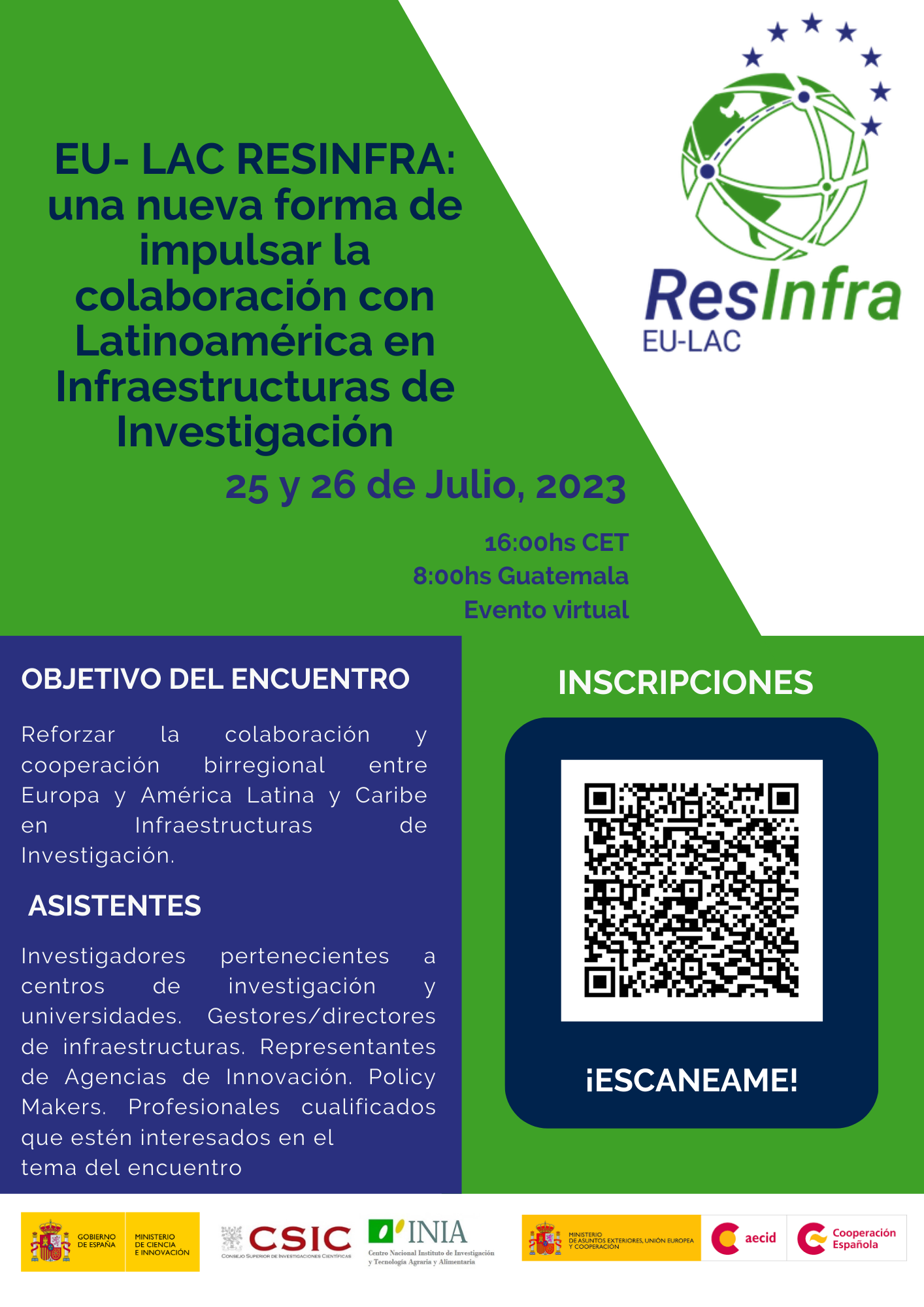
Tod@s invitad@s a participar del evento «EU- LAC RES INFRA, una nueva forma de impulsar la colaboración con Latinoamérica en Infraestructuras de Investigación”!!!
25 y 26 de julio
11:00hs 🇺🇾 /🇦🇷 /🇧🇷 / 🇨🇱
+info ➡️ https://buff.ly/3rAL7KS
Tod@s invitad@s a la próxima actividad de la UNIDAD DE CIENCIAS DEL COMPORTAMIENTO Y POLÍTICAS PÚBLICAS del Gobierno Argentino!!!

Destacad@s especialistas presentarán las *nudge units* de sus países, las ventajas y desventajas de su diseño institucional, los desafíos, éxitos y problemas que afrontan en su trabajo, los ejemplos exitosos y los no tanto en la aplicación de las herramientas comportamentales a las políticas públicas, y cómo ven el futuro de la especialidad.
L@s esperamos.
Estimad@s,
Nos complace informarles que Nicolás Gustavo Calleja (🇦🇷) es el ganador en categoría de pregrado del Premio Charles Darwin año 2023 debido a su trabajo: “Valor asociativo del condicionamiento de miedo: uso de anfibios como modelo de respuesta cardiovascular ante estímulos aversivos”.
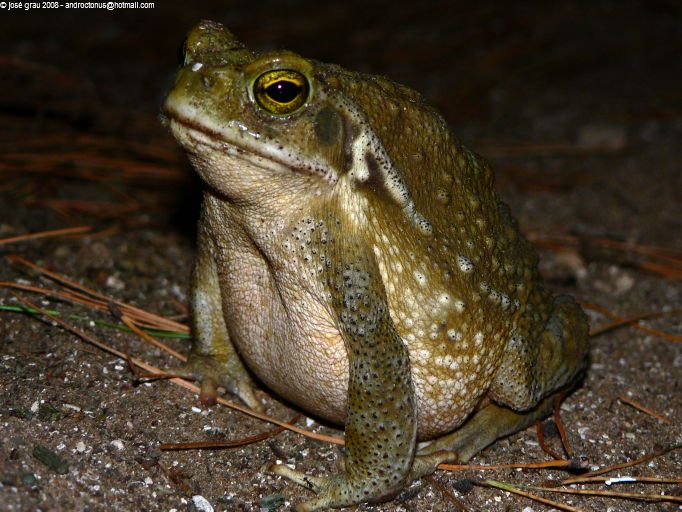
El tutor de Nicolás es el Dr. Rubén Muzio (Laboratorio de Biología del Comportamiento del IBYME-CONICET)
¡Felicitaciones!
Francisca Droguett
GT de Psicología Experimental y Comparada
 RedLACC