
Resumen de un trabajo de Penagos-Corzo et al (2015), miembro fundador de RedLACC
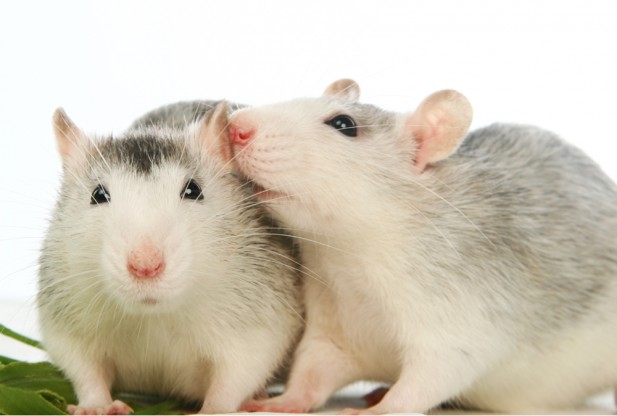 The experiment reported here uses a conditional self-discrimination task to examine the influence of social interaction on the facilitation of self- discrimination in rats. The study is based on a previous report (Penagos- Corzo et al., 2011) showing positive evidence of such facilitation, but extending the exposition to social interaction conditions prior to training. Specifically, rats were assigned to three conditions with different levels of social interaction and exposed to two conditional self-discrimination tasks, under an avoidance and positive reinforcement paradigm, where they had to discriminate their own internal state (with or without methylphenidate). Our results indicate that conditional self-discrimination was higher in groups with higher social interaction than in those with lower interaction and support the conclusion that self-discrimination learning curves for different degrees of social interaction positively increased with number of sessions and level of interaction
El artículo completo puede descargarse en ResearchGeate

 RedLACC